
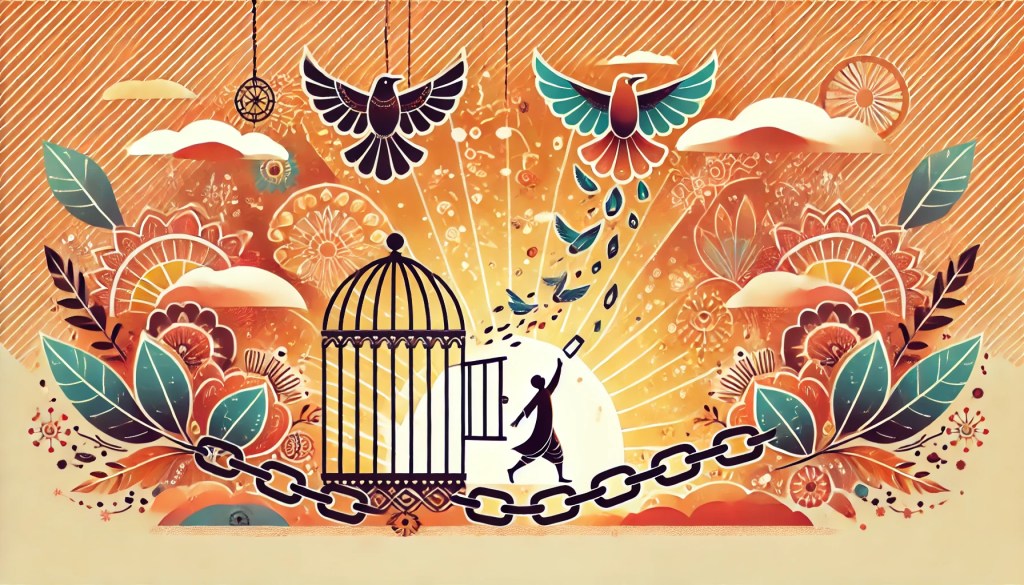
Have you ever found yourself hesitating before making a decision, constantly worrying about what your family, friends, neighbors, or even strangers might think? If yes, you’re definitely not alone! Welcome to the quintessential Indian experience, famously known as the “Log Kya Kahenge” syndrome. In simple words, it’s that voice in your head whispering, “What will people say?”
Understanding the Syndrome
“Log Kya Kahenge” is more than just a passing thought; it’s deeply embedded in the fabric of Indian society. This phenomenon isn’t limited to certain age groups or backgrounds, it cuts across generations, influencing everyone from teenagers and adults to the elderly. At its core, this syndrome is a manifestation of social anxiety, a persistent fear of being judged or negatively evaluated by others.
But have you ever wondered why this happens?
Roots in Cultural Conditioning
The Indian society places enormous value on community, familial bonds, reputation, and respect. From childhood, individuals are taught to prioritize collective expectations and societal norms above individual desires. This mindset, though supportive in some respects, often becomes restrictive, creating an invisible yet powerful cage of expectations.
Consider this: A teenager wishes to pursue art over engineering; a young woman chooses to remain unmarried past 30; or a couple decides not to have children. Each scenario triggers the anxiety-inducing question: “Log Kya Kahenge?” This fear of judgment restricts personal freedom, suppressing desires, dreams, and even basic happiness.
How It Fuels Social Anxiety
Social anxiety thrives on fear of judgment and rejection. In India, this anxiety is uniquely intensified by the interconnectedness of relationships. Gossip, social reputation, and societal validation often hold higher importance than individual comfort and authenticity.
For instance, a student might refrain from participating in class because of the fear of humiliation, a professional might not share innovative ideas fearing ridicule, or someone might avoid social gatherings to escape probing personal questions. These seemingly small decisions snowball into missed opportunities, decreased self-esteem, and sustained emotional distress.
Psychological Impact
The “Log Kya Kahenge” mindset can result in significant mental health challenges:
- Chronic Anxiety: Constant worry about opinions leads to perpetual stress and anxiety.
- Low Self-Esteem: Self-worth becomes heavily dependent on societal approval.
- Depression: Feeling trapped or misunderstood can lead to isolation and depressive symptoms.
- Social Withdrawal: Avoiding social interactions entirely to escape judgment.
Breaking Free: Steps Toward Emotional Freedom
The good news? Awareness is the first step toward change. Here’s how you can gradually liberate yourself from the “Log Kya Kahenge” trap:
- Identify and Challenge Beliefs: Ask yourself, “Whose life am I living, mine or society’s?” Challenge the validity of your fears and reframe your thoughts.
- Embrace Individuality: Recognize that your uniqueness is your strength. Pursue activities, careers, and lifestyles that resonate with your true self, even if unconventional.
- Build Self-Confidence: Cultivate a positive self-image by celebrating small victories, maintaining a gratitude journal, or seeking professional guidance if needed.
- Set Healthy Boundaries: Learn to respectfully say no. Protect your emotional space by creating healthy limits in relationships and interactions.
- Support Networks: Surround yourself with supportive individuals who value authenticity and acceptance over judgment.
Embracing Change for a Happier Future
Imagine a society where individuals freely express themselves, confidently pursue their dreams, and live without the burden of societal validation. When you break free from the chains of “Log Kya Kahenge,” you’re not just empowering yourself; you’re inspiring others to embrace authenticity and emotional wellness.
Remember, at the end of the day, the opinion that matters the most is your own. Life becomes infinitely more joyful when you choose authenticity over approval.
So next time you find yourself hesitating, gently remind yourself, your life is yours to shape. After all, if not you, then who? If not now, then when?
Let’s confidently step beyond “Log Kya Kahenge” and into a life that truly belongs to us!


 The Thought Box
Leave a reply to Loku Cancel reply