
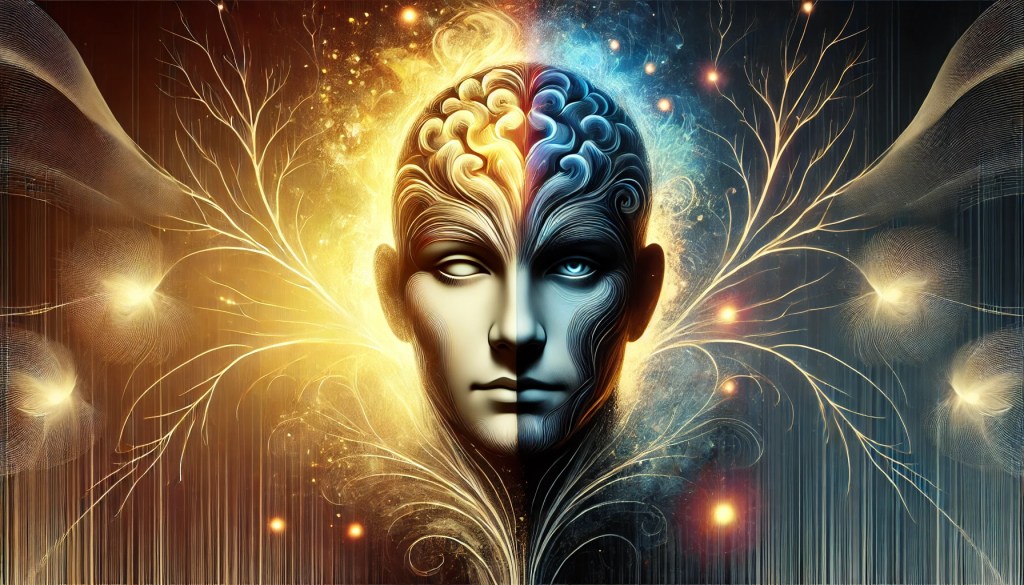
In the vast spectrum of human personality traits, certain archetypes have intrigued psychologists and the general public alike. Among the latest and most controversial is the concept of the “Dark Empath”—an individual who combines emotional intelligence and empathy with darker traits such as manipulation, narcissism, or even psychopathy. This paradoxical blend raises questions about the dual nature of empathy and its implications in interpersonal dynamics.
Understanding the Dark Empath
At first glance, the term “Dark Empath” seems contradictory. Empathy is often considered the cornerstone of prosocial behavior, enabling individuals to understand and share the feelings of others. However, dark empaths challenge this conventional understanding by weaponizing empathy. Unlike narcissists or psychopaths, who often lack empathy, dark empaths are acutely aware of others’ emotions and vulnerabilities—but they may use this awareness for selfish or harmful purposes.
Research suggests that dark empaths share traits with the “dark triad”—a cluster of personality characteristics comprising narcissism, Machiavellianism, and psychopathy. What sets them apart is their ability to connect with others emotionally. This ability makes them more socially skilled, charismatic, and capable of manipulation than their less empathetic dark triad counterparts.
Traits of a Dark Empath
Dark empaths exhibit a unique combination of personality traits:
- Cognitive and Emotional Empathy: They can understand and feel others’ emotions but may lack compassionate concern, which tempers how empathy is expressed.
- Charisma: Their emotional intelligence often makes them charming and persuasive.
- Manipulative Tendencies: They may use their insight into others’ emotions to exploit, control, or harm.
- Superficial Warmth: They often appear kind and understanding, masking their darker intentions.
- Self-Interest: Despite their empathetic abilities, their actions often serve their own needs, whether it’s to gain admiration, power, or other benefits.
Origins of Dark Empathy
The roots of dark empathy are complex and multifaceted, encompassing biological, psychological, and environmental factors. Possible origins include:
- Childhood Experiences: Dark empaths may have experienced inconsistent parenting, trauma, or emotional neglect, which shaped their ability to read emotions while fostering distrust or hostility.
- Innate Personality: Some individuals may naturally possess traits that predispose them to both empathy and manipulative tendencies.
- Social and Cultural Influences: Societal pressures, competitive environments, or cultural glorification of power and success may encourage individuals to use their emotional intelligence in exploitative ways.
The Duality of Empathy
Empathy is not inherently good or bad; its moral value lies in how it is used. In dark empaths, empathy becomes a double-edged sword. While it can be harnessed for understanding and connection, it can also serve as a tool for coercion and control.
For instance, a dark empath in a leadership role might use their empathy to anticipate employees’ needs, creating a facade of support while subtly manipulating them for personal gain. Similarly, in relationships, they might leverage emotional intimacy to dominate or exploit their partner.
Impact on Relationships
Dark empaths often leave a trail of emotional confusion in their wake. Their charm and emotional attunement can make them highly attractive as friends or romantic partners, but their manipulative tendencies often lead to toxic dynamics. Common patterns in relationships with dark empaths include:
- Emotional Exhaustion: Their partners may feel drained from constant emotional manipulation.
- Gaslighting: Dark empaths may distort reality to maintain control.
- Unequal Power Dynamics: They often dominate relationships by exploiting emotional vulnerabilities.
Why Are Dark Empaths on the Rise?
Several factors might explain the growing visibility of dark empaths:
- Increased Awareness of Personality Disorders: With more discussions about the dark triad and related traits, the nuances of empathy have come under greater scrutiny.
- Cultural Shifts: In an age of social media, emotional intelligence and charm are often rewarded, even when paired with selfish motives.
- Global Crises: In uncertain times, individuals may develop darker traits as survival mechanisms, balancing empathy with self-protection or ambition.
Psychological and Societal Implications
The emergence of dark empaths challenges traditional understandings of morality and personality. They blur the lines between “good” and “bad,” forcing us to rethink simplistic categorizations of empathy. Additionally, their increasing prevalence could have broader societal implications:
- Workplace Dynamics: Dark empaths in professional settings may create toxic work environments while maintaining an image of competence and care.
- Mental Health Awareness: Their behavior may exacerbate mental health issues in those they interact with, emphasizing the need for resilience and boundary-setting.
- Interpersonal Trust: Relationships with dark empaths can erode trust, making individuals more cautious or skeptical in future interactions.
Coping with Dark Empaths
Recognizing a dark empath can be challenging due to their charm and emotional intelligence. However, certain strategies can help mitigate their impact:
- Set Boundaries: Maintain clear emotional and physical boundaries to avoid manipulation.
- Trust Your Intuition: Pay attention to feelings of discomfort or inconsistency in their behavior.
- Seek Support: If a relationship with a dark empath becomes overwhelming, consult a therapist or trusted friend.
- Educate Yourself: Understanding dark empaths can help you identify their tactics and protect yourself from harm.
Conclusion
The rise of dark empaths highlights the complexity of human personality and the dual nature of empathy. While their traits can be unsettling, they also provide a valuable opportunity to deepen our understanding of emotional intelligence and morality. By recognizing and addressing the behaviors of dark empaths, we can foster healthier relationships and create environments where empathy is used for genuine connection rather than manipulation.
As psychology continues to evolve, the study of dark empaths will undoubtedly shed new light on the intricate interplay between light and shadow within the human psyche.
 The Thought Box
Leave a comment